
Expert insight from Dr. Richard Cunningham, Orthopaedic Surgeon at Vail-Summit Orthopaedics & Neurosurgery
When most patients think about ACL surgery, they focus on the torn ligament itself. However, one of the most important factors in a successful surgical outcome happens behind the scenes during surgery.
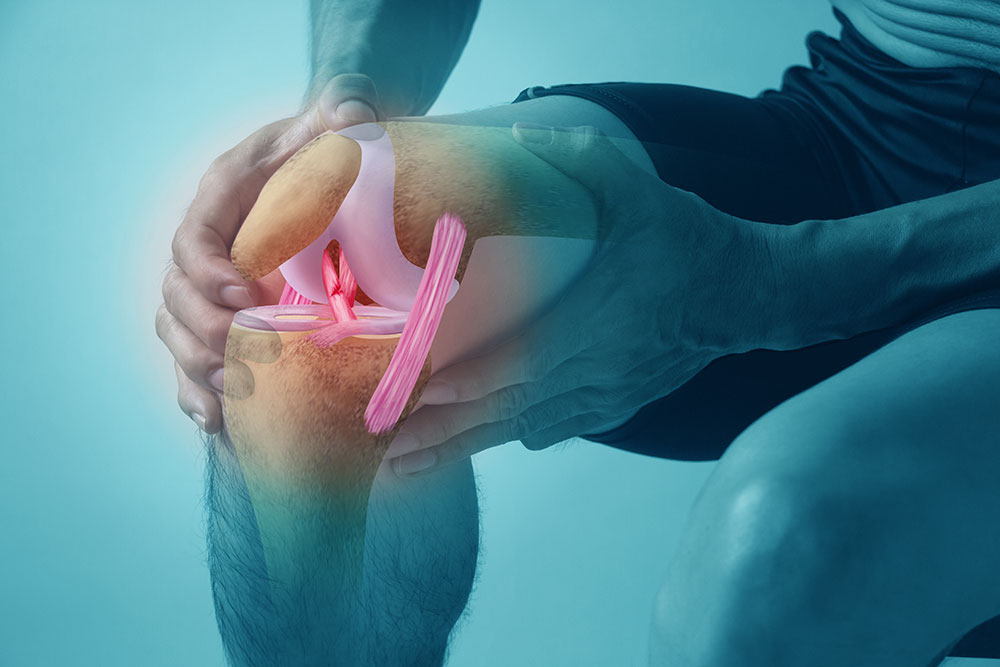
When a surgeon performs an ACL reconstruction, the surgeon secures both ends of the new ACL, which is a piece of tendon called a graft, into both a tunnel in the end of the femur and into another tunnel at the top of the tibia. Ideally, these tunnels or sockets are drilled exactly where the original ACL attached to both the femur and tibia. Proper ACL tunnel placement helps restore normal knee mechanics, while even small deviations in tunnel position can affect stability, graft performance, and long-term knee joint health.
For patients considering ACL reconstruction, it is important to have some understanding of surgical technique. It is also important to ensure that your ACL surgeon has a lot of experience placing these tunnels in the proper position.
Quick Takeaways
- Tunnel position directly impacts knee stability after surgery
- Proper ACL tunnel placement helps restore natural knee function and motion
- Poor tunnel positioning may lead to a patient not fully trusting their knee in sports and also increase the risk of premature graft failure
- Long-term knee health depends on both surgical technique and rehabilitation
- Choosing the best ACL surgeon near me can greatly influence outcomes
Why Tunnel Placement Matters
During ACL reconstruction, the torn ACL ligament is removed and replaced with a graft that will function as the new ACL. A tendon graft may be an autograft (a piece of tendon harvested from the patient, or an allograft (a piece of tendon taken from a cadaver). In ACL reconstruction, surgeons must carefully identify the exact location where the original ACL attached to both the femur and tibia, and then drill tunnels or sockets at these locations, and finally securely fixate the graft into these sockets with hardware.
The goal is to recreate the anatomy and attachment sites of the original ACL ligament as accurately as possible. If the tunnels are positioned correctly, the graft can better reproduce the ACL’s natural function, which will better provide knee stability during cutting, pivoting, and athletic activities.
Dr. Cunningham explains, “An ACL graft is not simply a rope connecting two bones. An ACL graft’s proper position, orientation, tension, and the strength of fixation are critical to how the knee will ultimately function.”
What Happens When Tunnels Are Not Ideally Positioned?
An ACL reconstruction surgery can lead to less-than-optimal results if tunnel placement is not precise or non-anatomic.
Symptoms may include:
- Persistent feelings of instability
- Limited knee range of motion, particularly the inability to regain full knee extension
- Swelling, catching, popping, and pain
Non anatomic tunnels can lead to persistent feelings of knee instability that do not allow an athlete to get back to their same level of play or even a recurrent ACL graft tear as soon as an athlete is cleared to resume sports. Research has shown that tunnel positioning is one of the most common factors associated with premature ACL surgery failure and subsequent revision ACL surgery.
This is why careful preoperative planning and undergoing ACL reconstruction by an experienced ACL surgeon is so important.
Protecting the Knee for the Long Term
The goal of surgery extends beyond simply replacing the torn ligament. Accurate ACL tunnel placement can help restore more natural knee biomechanics, which may reduce abnormal joint loading over time. In turn, this will help protect the meniscus cartilages from future tears. If an ACL graft is not anatomic, there is increased laxity in the knee. This then causes increased shear forces across the knee, which often leads to meniscus tears within a few years from ACL surgery. This is due to the fact that the meniscus provides back up stability to the ACL, so if the ACL graft is incompetent, the meniscus will be stressed and weaken over time and then eventually tear.
When the knee functions more normally, patients often experience improved confidence, stability, and performance during activity. For active individuals who want to continue skiing, hiking, biking, or participating in sports, restoring normal knee mechanics is an important part of preserving long-term knee health.
Technology and Surgical Precision
Advancements in orthopedic technology have helped surgeons achieve greater accuracy during ACL procedures.
Modern imaging, surgical techniques, and arthroscopic visualization allows for highly detailed assessment of each patient’s anatomy. However, technology remains only one part of the equation.
The surgeon’s experience, understanding of knee anatomy, and ability to individualize treatment remain critical components of a successful outcome.
When patients search for the best ACL surgeon near me, they should look for a surgeon who performs these procedures regularly and has extensive experience treating athletes and active individuals.
Recovery Still Matters
Even with perfect surgery, rehabilitation remains essential.
After ACL reconstruction, patients must work to restore knee range of motion, strength, balance, and confidence in the knee. A structured physical therapy program helps ensure the graft is protected while the knee regains function.
Successful outcomes result from a combination of surgical precision, patient commitment, and a carefully guided recovery plan.
Choosing the Right Surgeon
Patients often focus on graft choice, recovery timelines, or return-to-sport timelines. While those factors are important, surgical technique remains one of the biggest contributors to success.
When researching the best ACL surgeon near me, it is worth asking a surgeon how many ACL reconstructions they have performed, how they ensure proper tunnel placement, and how they restore normal knee anatomy.
Small details during surgery can make a significant difference years down the road.
About Dr. Richard Cunningham
Dr. Richard Cunningham is a board-certified orthopedic surgeon and sports medicine specialist at Vail-Summit Orthopaedics & Neurosurgery. He specializes in ACL injuries, knee ligament reconstruction, and advanced sports medicine procedures that help patients return to the activities they love.
If you have suffered an ACL injury or are considering surgery, Dr. Cunningham and his team can help determine the best treatment plan for your goals and lifestyle. Contact his team today!