
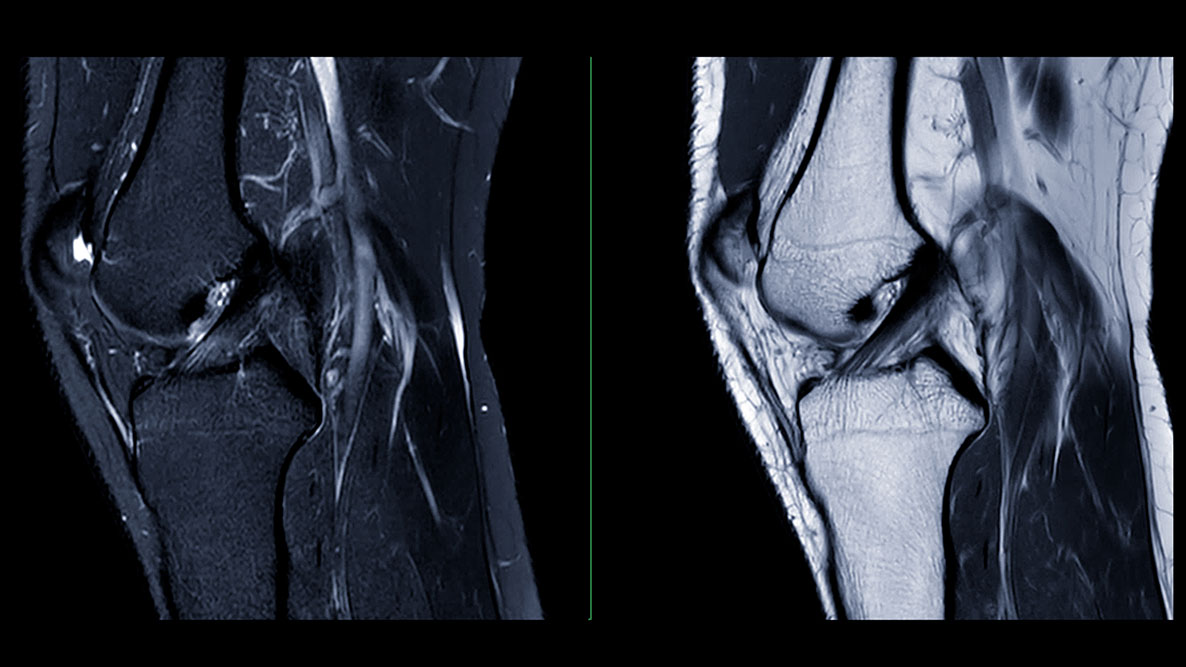
Expert insight from Dr. Richard Cunningham, Orthopaedic Surgeon at Vail-Summit Orthopaedics & Neurosurgery
ACL tears often require surgery, but not every tear requires surgery. When patients have a partial ACL tear, one of their first questions is, “Do I need surgery or can this heal without surgery?”
The answer depends on the severity of the ACL tear, location of the tear, patient age, and activity level. In some cases, a partial ACL tear can be managed successfully without surgery, especially when diagnosed early and treated appropriately.
Quick Takeaways
- A partial ACL tear means some ACL ligament fibers remain intact
- Not every ACL injury requires surgery
- Many patients with a partial ACL tear can recover with rest and physical therapy
- Whether one has subjective feelings of instability, and not just physical exam findings and MRI imaging, determines treatment.
- The question do I need surgery for ACL tear depends on symptoms and goals
What Is a Partial ACL Tear
The anterior cruciate ligament (ACL) plays a critical role in stabilizing the knee, especially during cutting, pivoting, and high impact movements.
A partial ACL tear occurs when only a portion of the ligament fibers are damaged, while the rest remain intact. This is different from a complete rupture, where the ligament is fully torn. The ACL is comprised of two separate bands: the anteromedial band (AMB) and the posterolateral band (PLB). The AMB tightens during knee flexion and provides primary resistance to anterior translation of the tibia. The PLB tightens during knee extension and is crucial for rotational stability. In partial tears, patients often just tear one of these bands, typically the PLB.
Because some fibers are still functioning in a partial tear, some patients may retain fairly good stability, particularly in straight line activities like walking or cycling.
Dr. Cunningham explains, “The key difference is that in a partial tear, the intact portion of the ACL can still provide reasonable knee stability. Given this some patients, particularly those who are older and do less cutting and pivoting sports, may be able to avoid surgery.”
Why Surgery Is Not Always the First Step
It is common for patients to immediately ask, do I need surgery for a partial ACL tear, especially after hearing the word “tear.” However, treatment decisions are not based on physical exam or imaging alone.
For a partial ACL tear, the most important factor is how stable the knee feels during one’s activities. After an initial period of restricted activities and PT after the injury, if a patient does not feel unstable with their normal activities and sports, then they do not need ACL surgery. However, if a patient continues to experience instability after returning to their sport, then they will most likely come to ACL reconstruction surgery.
Non-surgical treatment may include:
- Targeted physical therapy to strengthen surrounding muscles
- Activity modification during early healing
- Bracing in select cases
- Gradual return to sport under guidance
When a Partial Tear Becomes a Bigger Problem
While many partial ACL tear injuries can be managed conservatively, there are situations where surgery becomes more appropriate.
Signs that a partial ACL tear may require surgical consideration include:
- Repeated episodes of the knee giving out
- Difficulty with pivoting or cutting movements
- Associated injuries such as meniscus damage
- High level athletic demands
In these cases, patients often will require ACL reconstruction surgery to restore full stability and protect the joint long term.
The Role of Physical Therapy in Recovery
Physical therapy is the cornerstone of treatment for many patients with a partial ACL tear.
A structured program focuses on:
- Restoring range of motion
- Strengthening the quadriceps, hamstrings, and glute muscles
- Improving balance and neuromuscular control
- Building confidence in the knee
For patients with a partial ACL tear, this approach can lead to good outcomes without the need for surgery.
Dr. Cunningham notes, “If we can restore strength and stability, many patients can avoid surgery and still return to the activities they enjoy.”
Individualizing the Decision
There is no one size fits all answer as to whether someone with a partial ACL tear will require surgery.The right approach depends on your age, activities, goals, and how your knee performs under stress.
For example:
- A nordic skier or cyclist may do well without surgery
- A competitive soccer player or alpine ski racer will probably need ACL reconstruction surgery
- Someone with persistent instability may benefit from ACL surgery
About Dr. Richard Cunningham
Dr. Richard Cunningham is a board certified orthopedic surgeon and sports medicine specialist at Vail-Summit Orthopaedics & Neurosurgery. He specializes in ACL tears and complex knee injuries. He has helped thousands of patients return to their active mountain lifestyle after knee injuries.
If you are wondering whether you need surgery after sustaining a partial ACL tear, an office evaluation can help determine the best path forward. Contact his team today.